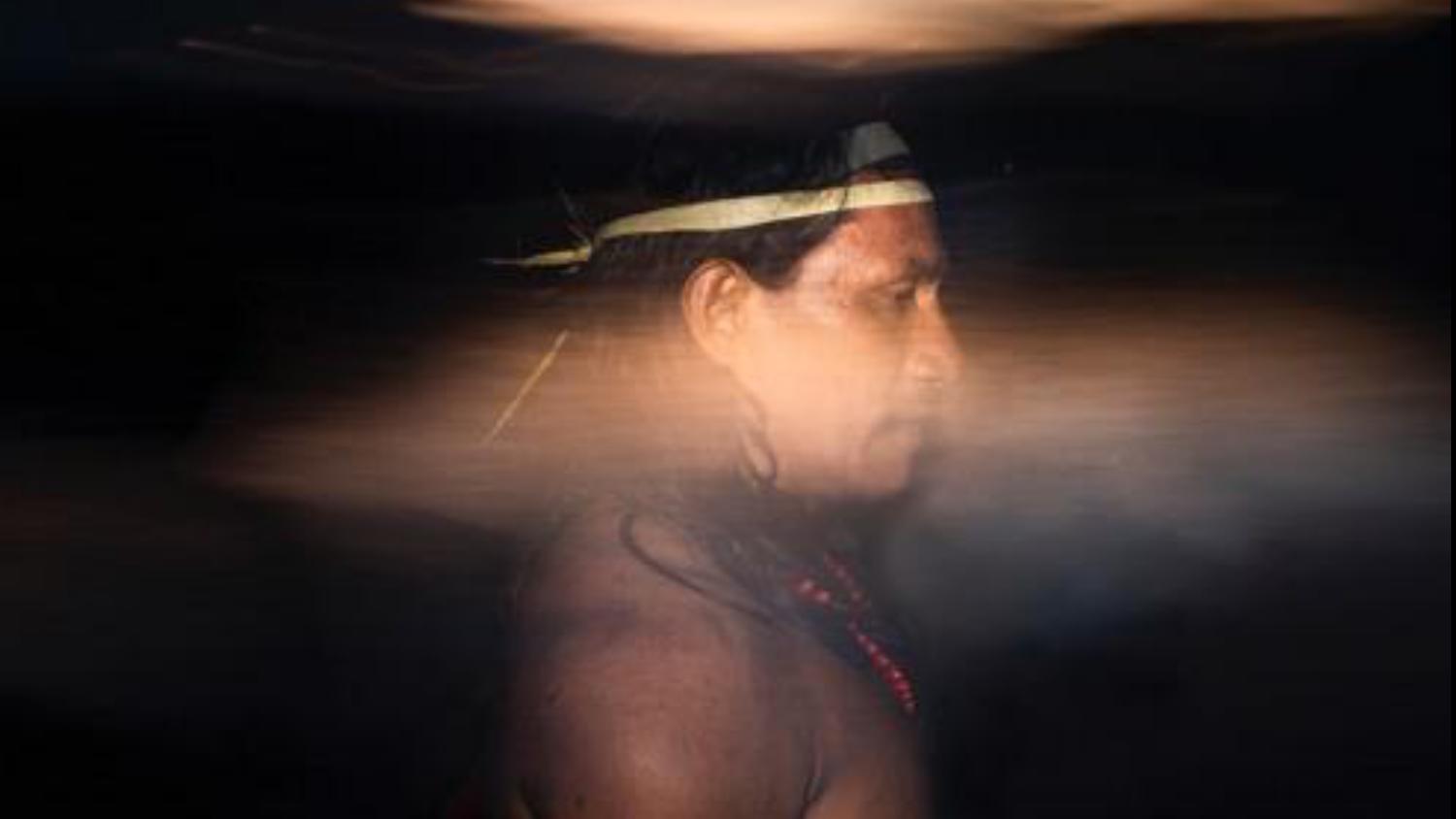
Deje Vivir (Let us Live)
An Amazonian Indigenous Traditional Leader fights to defend his ancestral forest territory, as his people and way of life stand on the brink
Overview
Designed in close collaboration with Penti Baihua and Ome Yasuní to amplify the urgent struggle of the Baihuaeri Waorani
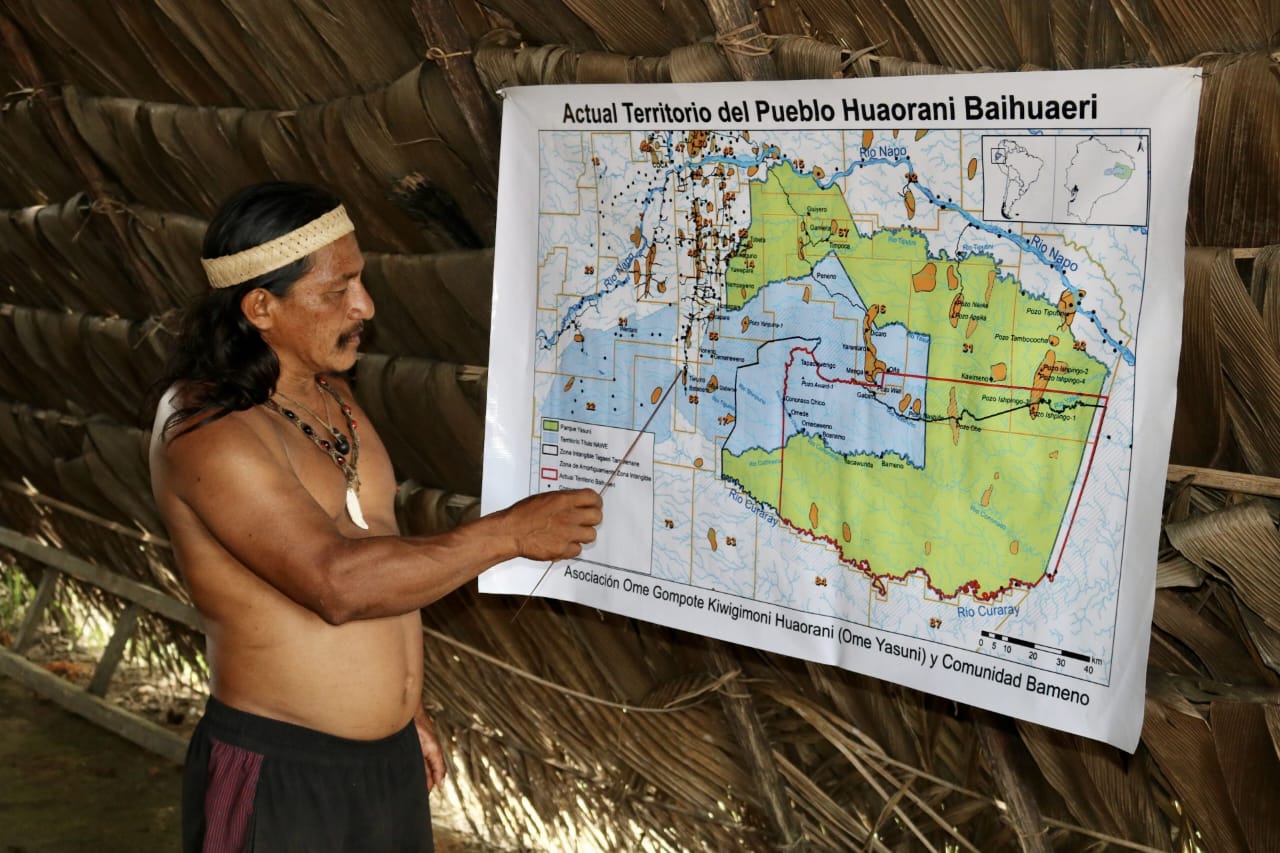
This project is being developed in direct collaboration with Penti Baihua, the Baihuaeri Waorani of Bameno, and the producer. All creative, ethical, distribution, and promotional decisions are being made in close collaboration with Penti Baihua and the Indigenous organisation Ome Yasuní to ensure the project remains centred on Indigenous voices, maintains accuracy, and fully respects the priorities of the Baihuaeri Waorani. The Baihuaeri Waorani will have shared ownership of the filmed material, ensuring it can be used as a resource in their ongoing fight for their rights and territory. Deje Vivir has been developed through more than two years of close collaboration with Penti Baihua and Ome Yasuní. The story, creative direction and written development of the project have been shaped alongside Penti, with his priorities and the community's vision at its centre. Penti's son, Javier Baihua, a Baihuaeri Waorani photographer and self-taught filmmaker from Bameno, will form part of the directing team as co-director. Having grown up within the community and sharing the cultural knowledge, experiences and connection to the territory at the heart of the film, Javi brings an essential perspective from within. His involvement ensures that the community is not simply represented on screen, but actively involved in shaping how its story is told. It also creates an opportunity for Javi to develop his filmmaking practice and use these skills to document and share his people's knowledge, culture and efforts to protect their ancestral home. Deje Vivir explores the relationship between Indigenous ecological knowledge, rainforest biodiversity and conservation. Yasuní is often cited as one of the most biodiverse places in the world. Generations of Baihuaeri Waorani have developed an intimate understanding of the forest through their lives, traditions and relationship with their ancestral territory. This knowledge encompasses the biodiversity of Ome, the interconnected relationships within its ecosystems, and the cultural practices through which knowledge is passed between generations. This knowledge is central to the community's efforts to protect its territory. The Baihuaeri Waorani are currently undertaking a territorial monitoring project, helping to document and monitor their ancestral lands as part of their wider efforts to defend them. The film will highlight the important role Indigenous stewardship plays as one of the most effective ways of protecting rainforest territories, biodiversity and cultural heritage, while exploring what is at stake when ancestral territories, traditional knowledge and ways of life come under pressure from outside interests.
Proposal
Details
The storyline:
The Baihuaeri Waorani of Bameno, an original Indigenous people of the Ecuadorian Amazon, have lived in their rainforest territory, ‘Ome’, since before written history. For centuries, Baihuaeri Waorani warriors defended their land and way of life from powerful external ‘cowode’ forces seeking to invade their territory. Colonisation and the expansion of extractive industries in Baihuaeri Waorani territory intensified dramatically after commercial quantities of oil were discovered in 1967. US-based evangelical missionaries, working alongside Texaco, made first contact in an effort to remove them and other Waorani communities from their lands. Over time, oil development steadily reduced their forest and the Yasuní National Park & Biosphere Reserve, leaving areas significantly deforested and contaminated. This made it increasingly difficult for the Baihuaeri Waorani to sustain their cultural way of life and protect their rainforest territory- a struggle that continues today. At the centre of this story is Penti Baihua, Traditional Leader of the Baihuaeri Waorani of Bameno. Born into a world without outside contact, Penti lived in a missionary settlement as a young child after first contact, before eventually returning to Ome. There, he became a Knowledge Holder and Traditional Leader, committed to protecting his people and their rainforest territory as they struggle to survive, with oil companies advancing ever closer. The documentary follows Penti’s life story as he emerges as an outspoken and respected advocate for land and self-determination rights- not only for his own people, but also for neighbouring Waorani groups (Taromenane, Tagaeri and Dugakaeri) who continue to live in voluntary isolation and reject all outside contact. He works to build alliances to protect the Yasuní forest and the rights of the Waorani who call it home. Standing at the frontline of some of the world’s most urgent issues: Amazon rainforest destruction, climate instability, biodiversity loss, and Indigenous rights. Penti and the Baihuaeri Waorani represent one of the last lines of defence as they work to unite neighbouring communities, protect what remains of their lands, and prepare to appeal directly to the Ecuadorian government. As their forest shrinks, oil companies close in, and the stakes rise, they seek once again to step into the cowode world, carrying a simple demand: “Deje Vivir” (“Let Us Live”).
Mission & Objectives
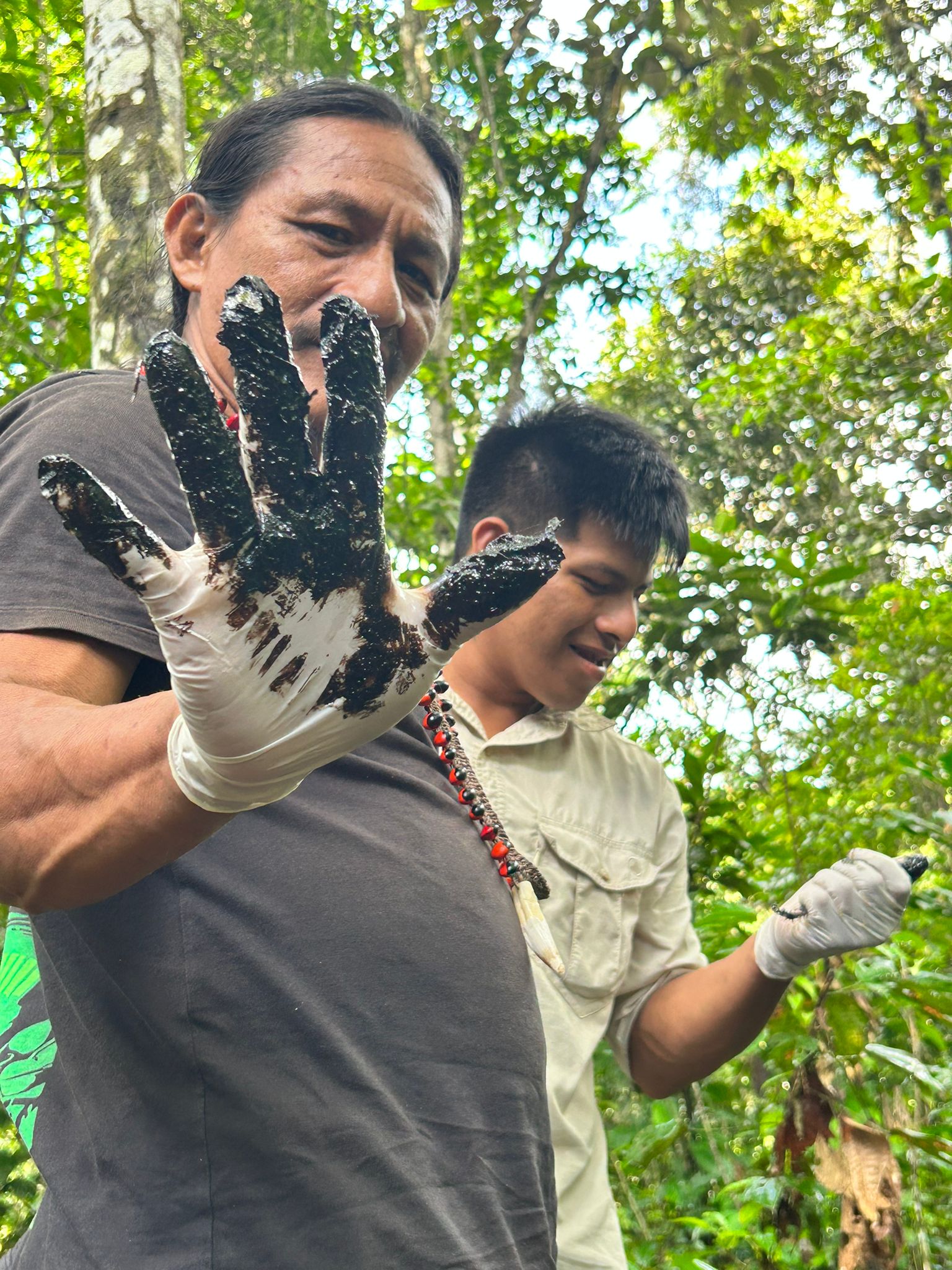
Through the documentary we aim to strengthen and expand the reach of Penti’s fight by:
Giving audiences an intimate understanding of Penti's extraordinary journey, and the realities faced by the Baihuaeri Waorani, revealing the human story behind one of the Amazon's most important frontline struggles. Raising Penti’s profile and expanding his reach to a global audience, maximising international awareness. Inspiring viewers to engage with the cause- whether by amplifying Indigenous voices, advocating for land and self-determination rights or contributing through donations. Bridging the gap between grassroots efforts on the ground, and policy-making and external advocacy.
Industry / Context
Why this story matters now:
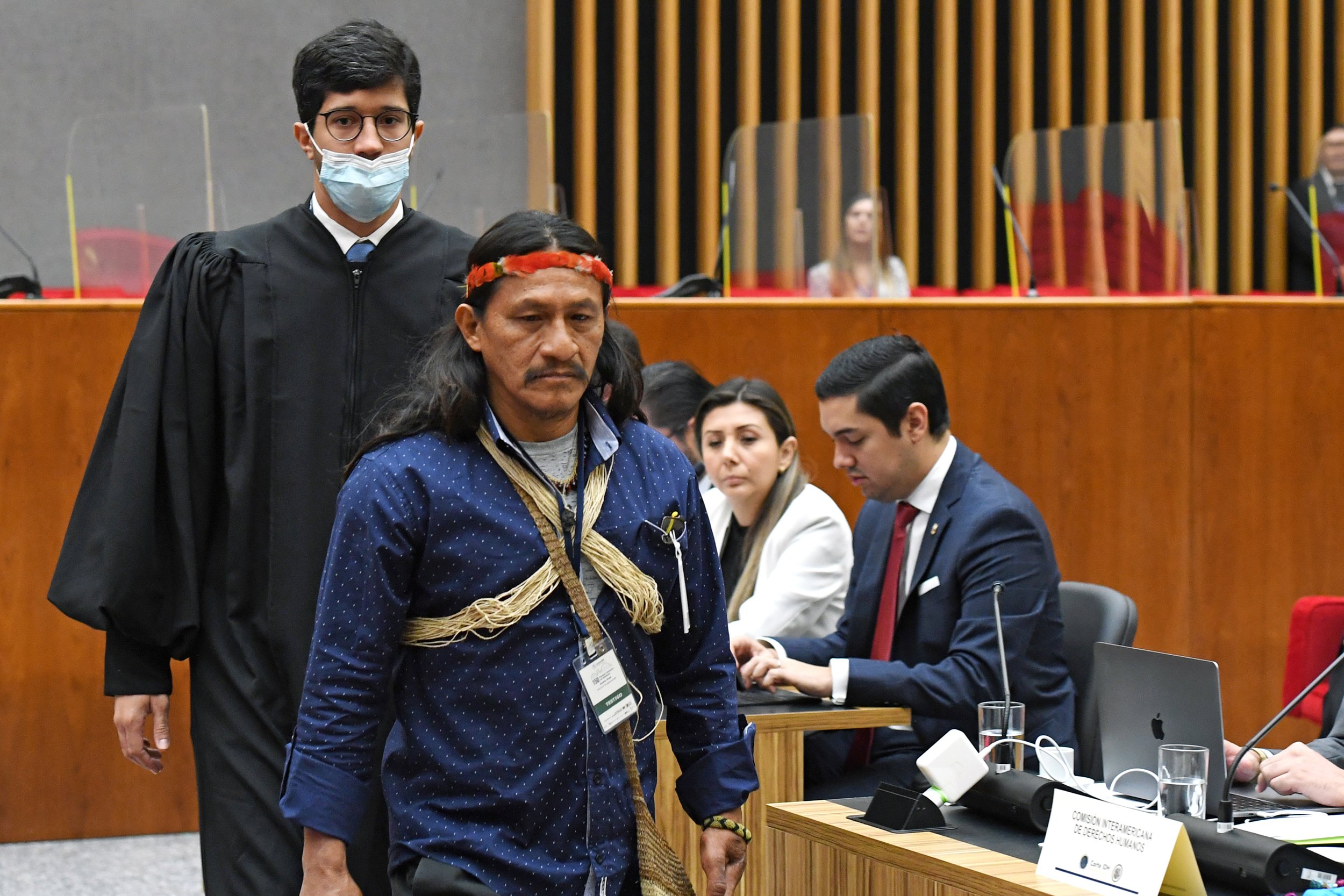
Cultural Survival: The culture and way of life of the Baihuaeri and uncontacted Waorani Peoples are at risk of disappearing. Without their territory, they cannot survive. Global Relevance: Oil production and deforestation in Yasuní have massive consequences for Amazon rainforest conservation, climate stability, Indigenous rights and biodiversity. Overlooked Story: This documentary highlights an extraordinary story from the forest, told directly by the frontline rainforest defenders. While external forces such as lawsuits and policy may influence outcomes, real change comes from within the forest- making it crucial to listen to and amplify their voices. Urgency: Oil drilling and colonisation are expanding- and the window to protect Ome is closing.
Team
Producer, Co-Director
Stanley Chapman is a filmmaker and producer with a background in zoology, environmental conservation and field production. He holds a First Class BSc in Zoology from the University of Reading and began his career working in wildlife conservation and rehabilitation across Latin America. He has since worked across documentary, commercial and branded productions, gaining experience in production management, crew coordination and complex international logistics. As producer and lead applicant of Deje Vivir, Stanley has worked in close collaboration with Penti Baihua and Ome Yasuní for over two years to develop the project. He oversees its creative development, fundraising, production planning and coordination, and builds the partnerships and resources needed to bring the film to wider audiences. His role is to facilitate and support a community-led production, ensuring the project remains guided by Penti, Javi and the priorities of the Baihuaeri Waorani.
Co-Director
Javier Baihua is a filmmaker and photographer, the youngest son of Penti Baihua and a member of the Baihuaeri Waorani of Bameno. Having grown up witnessing his father's fight to protect their ancestral territory, culture and rights, he is passionate about finding new ways to continue this work through storytelling. As co-director of Deje Vivir, Javi brings an invaluable perspective from within the community, helping shape the film's creative direction and document his people's lives, cultural heritage and relationship with the forest. As a father of three, he is also navigating the balance between family life in the city and his connections to life in Bameno, bringing his own perspective on the future of the next generation.
Producer, Co-Director
Jack Wiles is a film producer and director with experience across film and commercial production. His credits include major campaigns and productions, including the Arsenal × Stanley campaign, which has received more than 10 million views. His experience managing large-budget productions and crews brings valuable practical expertise to Deje Vivir (Let Us Live). As producer and co-director, he contributes to the project's creative development and production planning, helping bring its ambitions to the screen.
Executive Producer / Camera Operator
Daniel Núñez is a Guatemalan biologist, photographer and National Geographic Explorer whose work explores the relationship between people and the natural world. His scientific training and field experience across Latin America inform a documentary practice focused on communities, conservation and the landscapes they inhabit. Currently he is working on his National Geographic Grant, in a storytelling project about one of the most important Wetlands of Guatemala. His work has been recognised by Wildlife Photographer of the Year and the BigPicture Natural World Photography Competition. He has a MA in Photojournalism and Documentary Photography at the London College of Communication.
Funding Rounds & Rewards
Funding Rounds & Rewards in development
Fund your project in stages: define goals, deliverables and timelines per round to give funders a clear picture of delivery.
Frequently Asked Questions
Comments
Be the first to leave a comment