REcap day 1 bali blue youth action (4).png
Unscheduled
Narasea Indonesia

Bali Blue Youth Action 2025: Youth-Led Coastal Conservation in Bali Indonesia

Empowering young people through hands-on coastal restoration and environmental leadership. Location:

  • Ecosystem Services
  • Economy & Industry
  • Social Empowerment
Narasea Indonesia
Denpasar, Bali, Indonesia
Fund·Coming Soon

Overview

A two-day youth conservation programme combining coastal education, restoration, and environmental leadership.

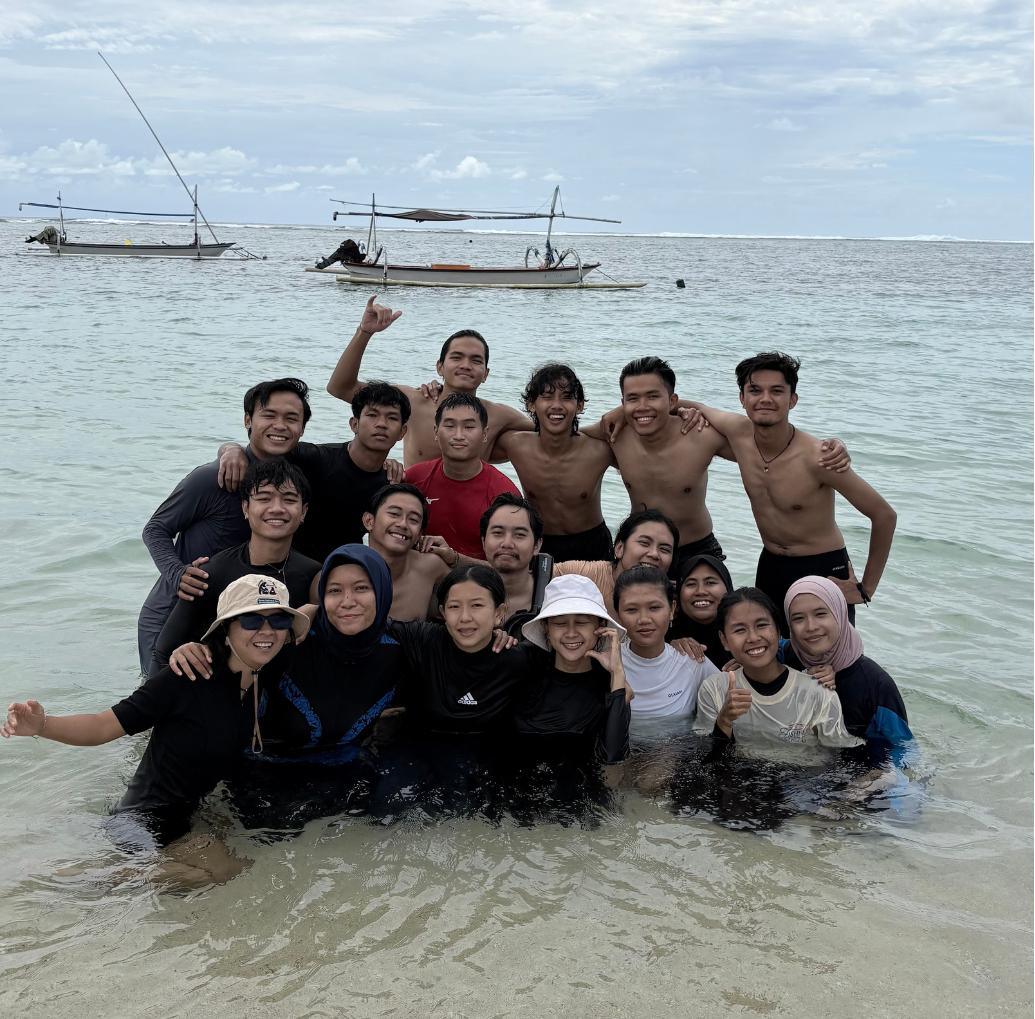
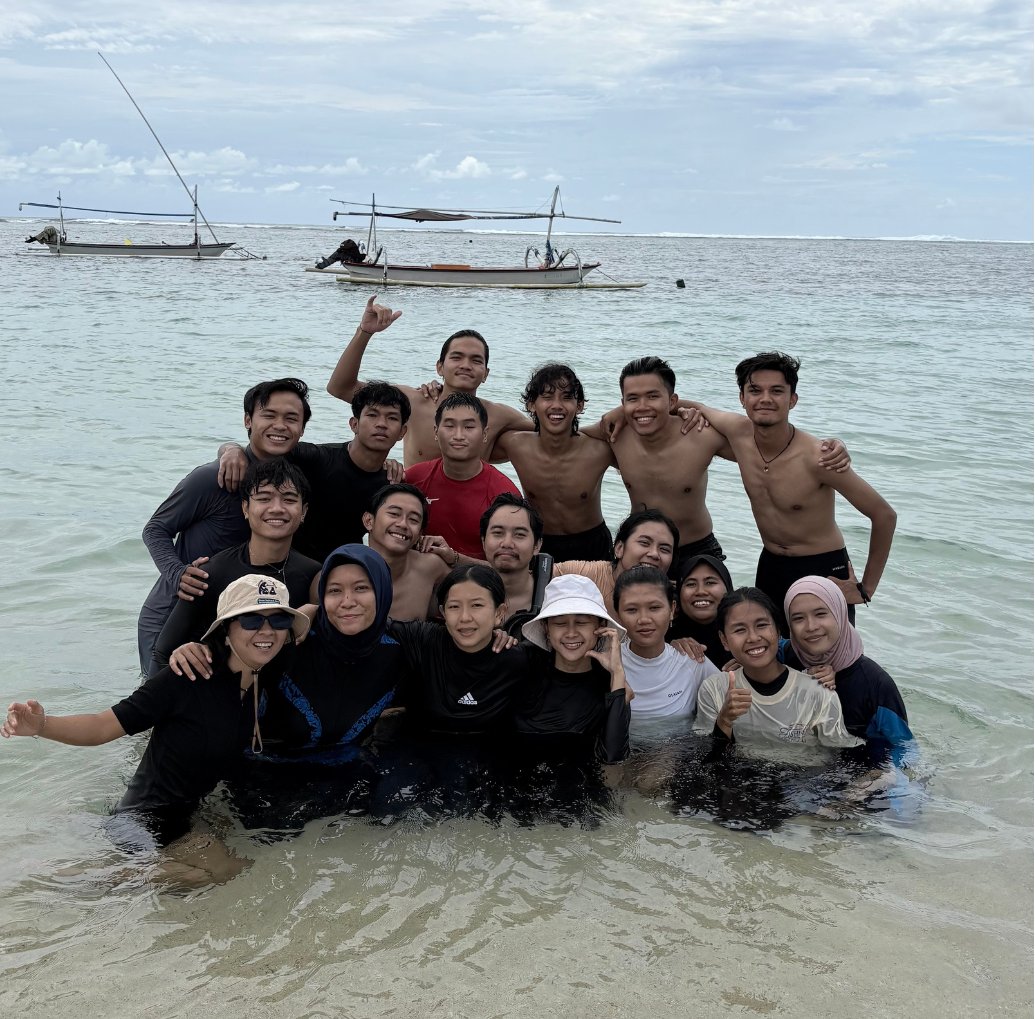
Bali Blue Youth Action 2025 was a two-day youth-focused coastal conservation programme held on 28–29 November 2025 in Bali, Indonesia. The programme provided a full scholarship opportunity for 20 young people aged 18–30 to learn about coastal ecosystems, participate in hands-on restoration activities, and develop their capacity to contribute to environmental action in their communities. Narasea Indonesia contributed to the programme by facilitating learning and hands-on experiences focused on mangrove and coral reef ecosystems, connecting participants with conservation practitioners and community-based initiatives. The programme responded to growing environmental pressures facing Bali's coastal ecosystems, including coral bleaching, mangrove degradation, and increasing climate-related pressures. Across two days, participants moved between learning sessions, practical restoration activities, ecosystem exploration, and discussions on youth-led environmental action. The programme was designed around the principle that young people should not only learn about environmental challenges, but also have opportunities to directly experience ecosystems, work alongside practitioners, and understand how they can contribute to solutions.

Bali
Climate Action
Coastal Conservation
Coral Reef Restoration
Ecosystem Restoration
Indonesia
Mangrove Restoration
Marine Conservation
Ocean Education
Youth
Youth Engagement

Proposal

Details

From mangrove restoration to coral reef conservation, participants learned by engaging directly with coastal ecosystems.

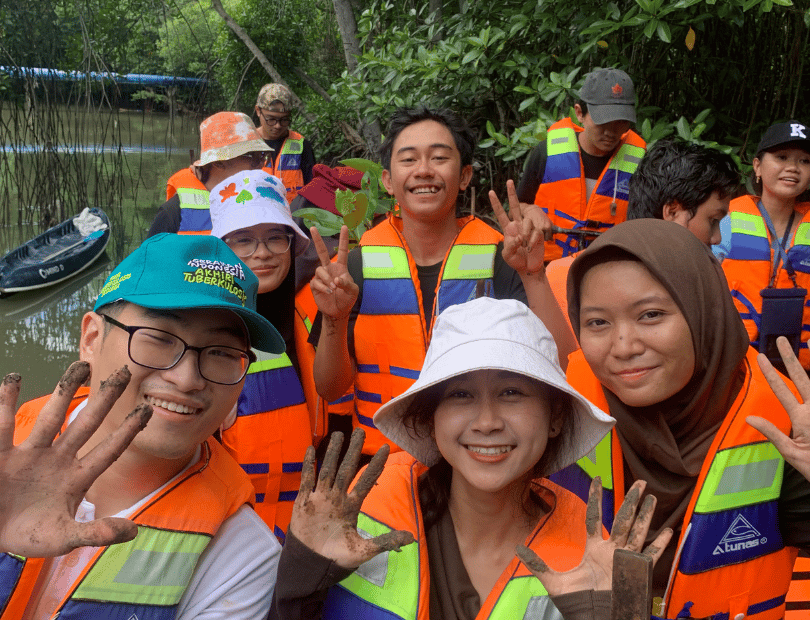
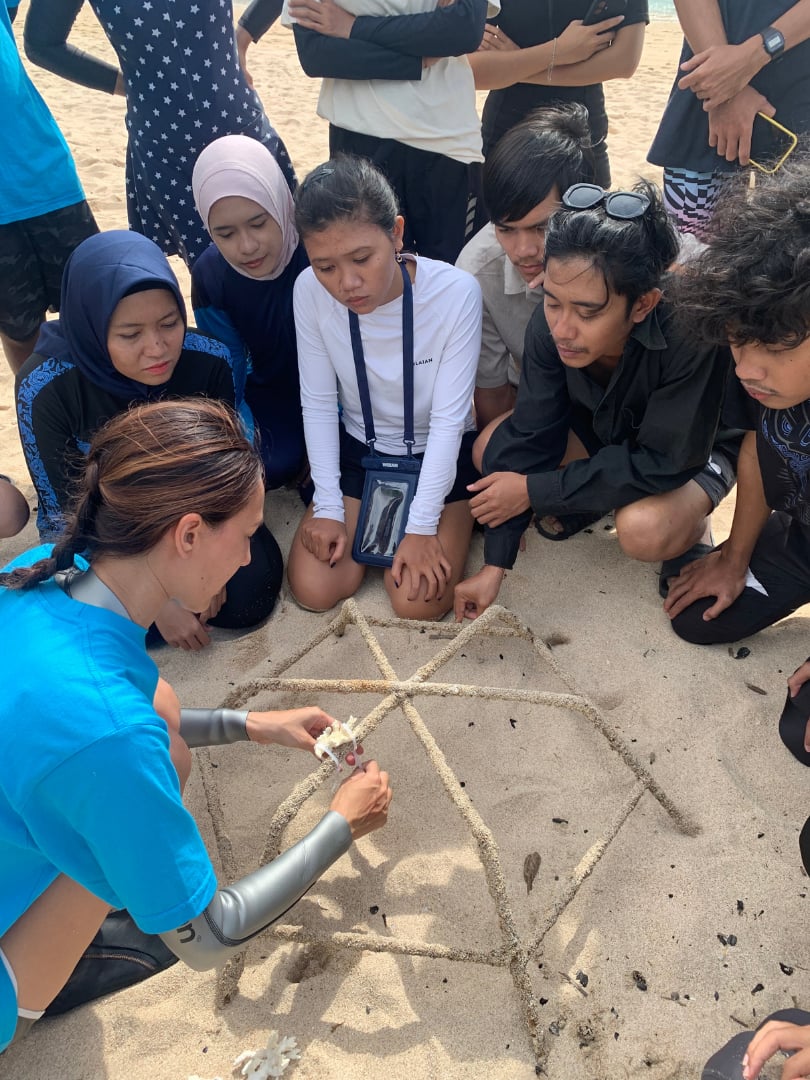
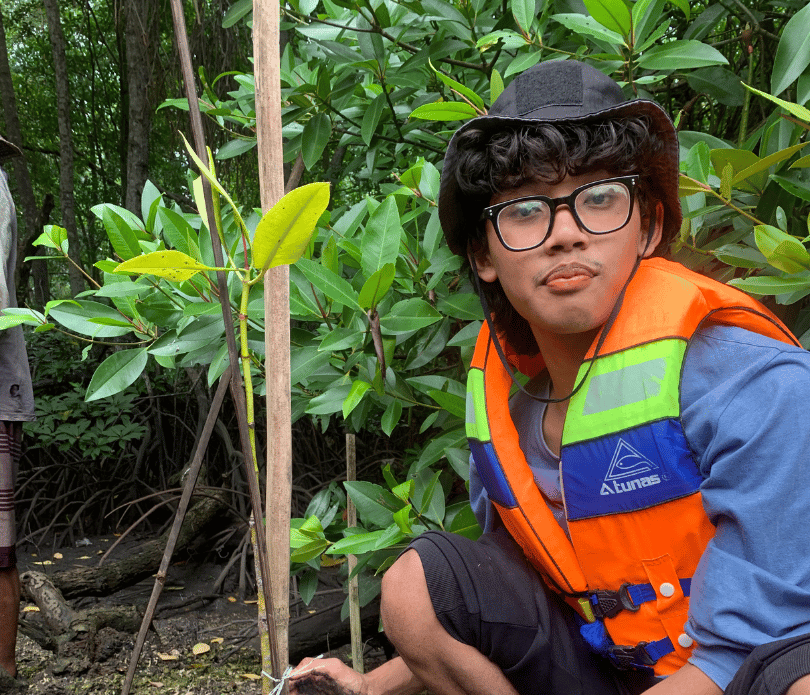
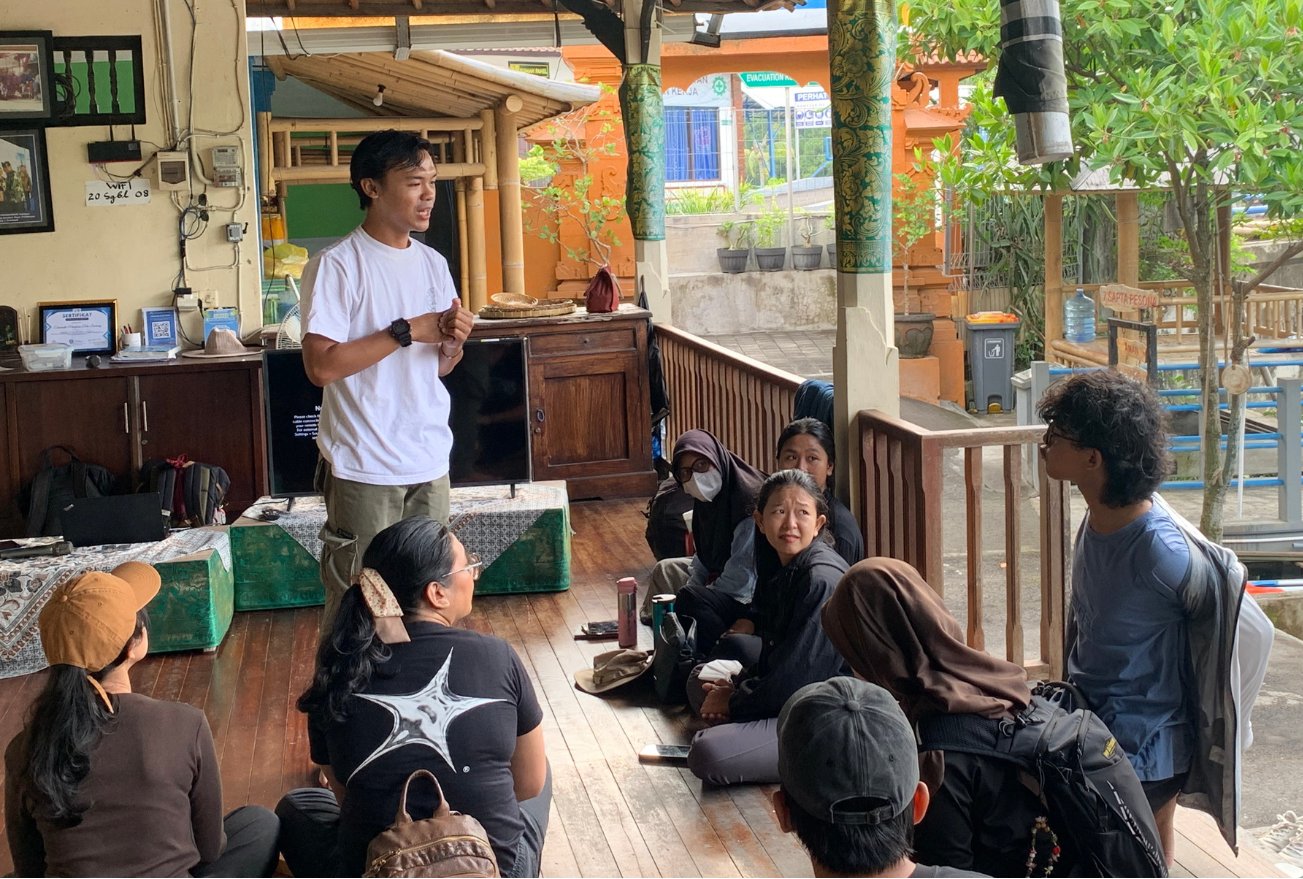
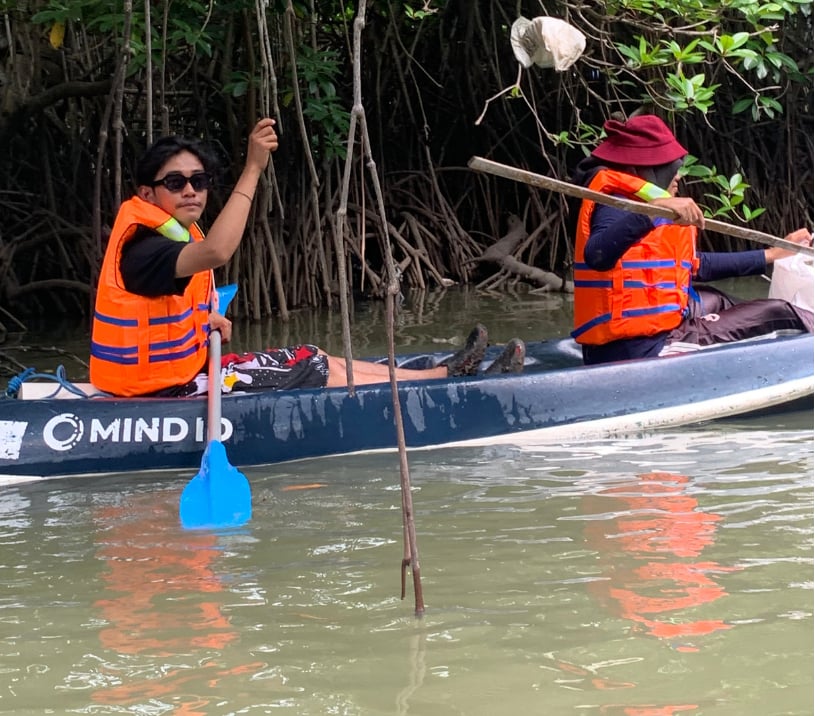
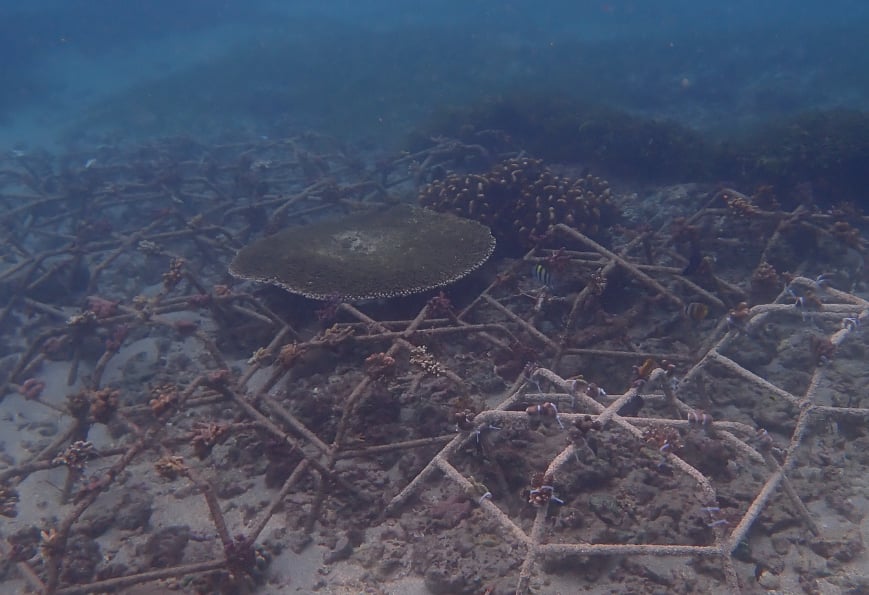
The programme took place across two key coastal conservation sites: Taman Ekowisata Mangrove Batu Lumbang and Bali Blue Harmony in Nusa Dua. Day 1 — Mangrove Ecosystems & Youth Action The first day introduced participants to the importance of mangrove ecosystems and coastal environments. Participants learned directly from Ekowisata Mangrove Batu Lumbang about mangrove ecosystems before taking part in a coastal clean-up and hands-on mangrove restoration activity. The programme then explored the role of young people in creating environmental and social change through a youth movement discussion with Global Shapers Denpasar Hub. Participants also joined learning sessions focused on mangrove ecology and coral reef ecosystems with Masyarakat Alam and Ecosystem Bumi. These sessions emphasized that coastal ecosystems are interconnected and play an important role in supporting biodiversity and responding to climate-related pressures. Day 2 — Coral Reef Restoration On the second day, Narasea Indonesia facilitated a hands-on coral restoration experience with Bali Blue Harmony at Coral Garden. The session began with an introduction to coral reef ecosystems and responsible restoration practices, covering the functions of coral reefs and fundamental principles of ecological rehabilitation. Participants then entered the marine environment to explore the coral reef ecosystem and observe the biodiversity it supports. The experience allowed participants to connect theoretical knowledge with direct field experience and gain a better understanding of the practical challenges and responsibilities involved in ecosystem restoration.

REcap day 1 bali blue youth action (10).png

Mission & Objectives

Building a generation of young people equipped to understand and act for coastal ecosystems.

Bali Blue Youth Action 2025 aimed to provide young people with the knowledge, practical experience, and networks needed to become more active participants in coastal conservation. The programme's objectives were to: 1. Introduce young people to the fundamentals of coral reef restoration. 2. Provide direct field experience in mangrove and coral reef ecosystems. 3. Increase understanding of coastal biodiversity and ecosystem functions. 4. Introduce responsible approaches to ecosystem rehabilitation. 5. Strengthen awareness of climate-related pressures on coastal ecosystems. 6. Encourage youth participation in environmental action and advocacy. 7. Connect young people with conservation practitioners, communities, and environmental organizations. 8. Encourage participants to develop environmental initiatives and campaigns with potential community impact.

REcap day 1 bali blue youth action (5).png

Environmental Commitments

Connecting environmental education with responsible ecosystem restoration.

The programme emphasized that effective conservation requires more than awareness alone. Participants were introduced to the ecological functions of mangroves and coral reefs before taking part in practical activities. The restoration activities were conducted with guidance from organizations and practitioners with experience in coastal ecosystem management and rehabilitation. The programme also highlighted the interconnected nature of coastal ecosystems. Mangroves and coral reefs provide important ecological functions and support marine biodiversity, coastal resilience, and communities that depend on healthy coastal environments. By combining education, direct experience, and collaboration, the programme sought to strengthen participants' understanding of why coastal ecosystems need to be protected and restored.

REcap day 1 bali blue youth action (6).png

Outcomes / Results

Twenty young people gained direct exposure to coastal conservation and restoration practices.

The programme provided 20 young Balinese participants aged 18–30 with a fully funded two-day learning and field experience focused on coastal conservation. Key outcomes included: 20 young people participated in the programme. 1. Participants received foundational education on coral reef restoration. 2. Participants gained hands-on experience in mangrove restoration. 3. Participants participated in a coastal clean-up activity. 4. Participants explored mangrove and coral reef ecosystems directly in the field. 5. Participants learned about marine biodiversity and ecosystem functions. 6. Participants engaged in discussions on youth leadership and environmental action. 7. Participants were introduced to responsible ecosystem rehabilitation principles. 8. Participants connected with conservation practitioners and environmental organizations. 9. Participants gained practical insight into how youth can contribute to coastal conservation. Beyond the immediate activities, the programme aimed to strengthen participants' confidence to take environmental action within their communities.

REcap day 1 bali blue youth action (9).png

Risks

Field-based conservation activities require responsible guidance, safety measures, and ecological awareness.

The programme involved direct interaction with mangrove and coral reef environments, creating potential safety and ecological risks associated with field and marine activities. To address these risks, participants were guided by experienced practitioners and facilitators throughout the programme. Educational sessions were conducted before practical activities to ensure that participants understood the ecosystems and the principles of responsible restoration. Marine activities were conducted under appropriate supervision, with participants instructed to interact responsibly with the coral reef environment and avoid causing additional ecological damage. The programme also recognized that ecosystem restoration must be context-specific and should be undertaken based on appropriate ecological knowledge and local expertise.

REcap day 1 bali blue youth action (2).png

Industry / Context

Bali's coastal ecosystems are facing increasing ecological and climate-related pressures.

Bali's marine and coastal ecosystems face growing pressures from climate change, coastal development, pollution, and other human activities. The Bali Blue Youth Action 2025 programme highlighted several key challenges facing the island's coastal environment, including significant coral bleaching, declining mangrove coverage, and increasing climate pressures. These challenges demonstrate the need for both ecosystem-level conservation efforts and greater public participation in environmental action. Young people represent an important part of this response. Building their understanding of marine ecosystems and providing opportunities for practical participation can help strengthen the next generation of coastal leaders. Bali Blue Youth Action 2025 therefore combined environmental education with hands-on conservation, giving participants an opportunity to move from awareness to direct experience.

REcap day 1 bali blue youth action (7).png

Youth Leadership

Creating pathways for young people to move from environmental awareness to action.

A central component of Bali Blue Youth Action 2025 was youth leadership. The programme recognized that many young people are motivated to address environmental challenges but may lack access to practical knowledge, mentorship, networks, or opportunities to participate directly. By providing full scholarships to 20 young people, the programme lowered financial barriers to participation while creating a structured environment for learning, collaboration, and field experience. Participants were introduced not only to conservation techniques but also to the broader role of youth movements in creating environmental and social change. The programme encouraged participants to see themselves as potential contributors to coastal conservation rather than simply observers of environmental problems.

REcap day 1 bali blue youth action (4).png

Team

ALFINNA YEBELANTI

Stakeholder and Media Staff

Coordinate with local stakeholder and publish the instagram posts

Bryan Auriol

Project Lead

Responsible for day-to-day team guidance and the successful delivery of specific project outcomes

Ramdan Pahlevi

Field Coordinator

Manage local field operations, guide on-the-ground mangrove planting or coral restoration, and connect local communities, villages, and regional government bodies.

Funding Rounds & Rewards

Coming Soon

Funding Rounds & Rewards in development

Fund your project in stages: define goals, deliverables and timelines per round to give funders a clear picture of delivery.

Documents

  • Narasea BBYA 2025.pdf

    Type
    PDF
    Size
    4.8 MB

Frequently Asked Questions

Comments

Be the first to leave a comment