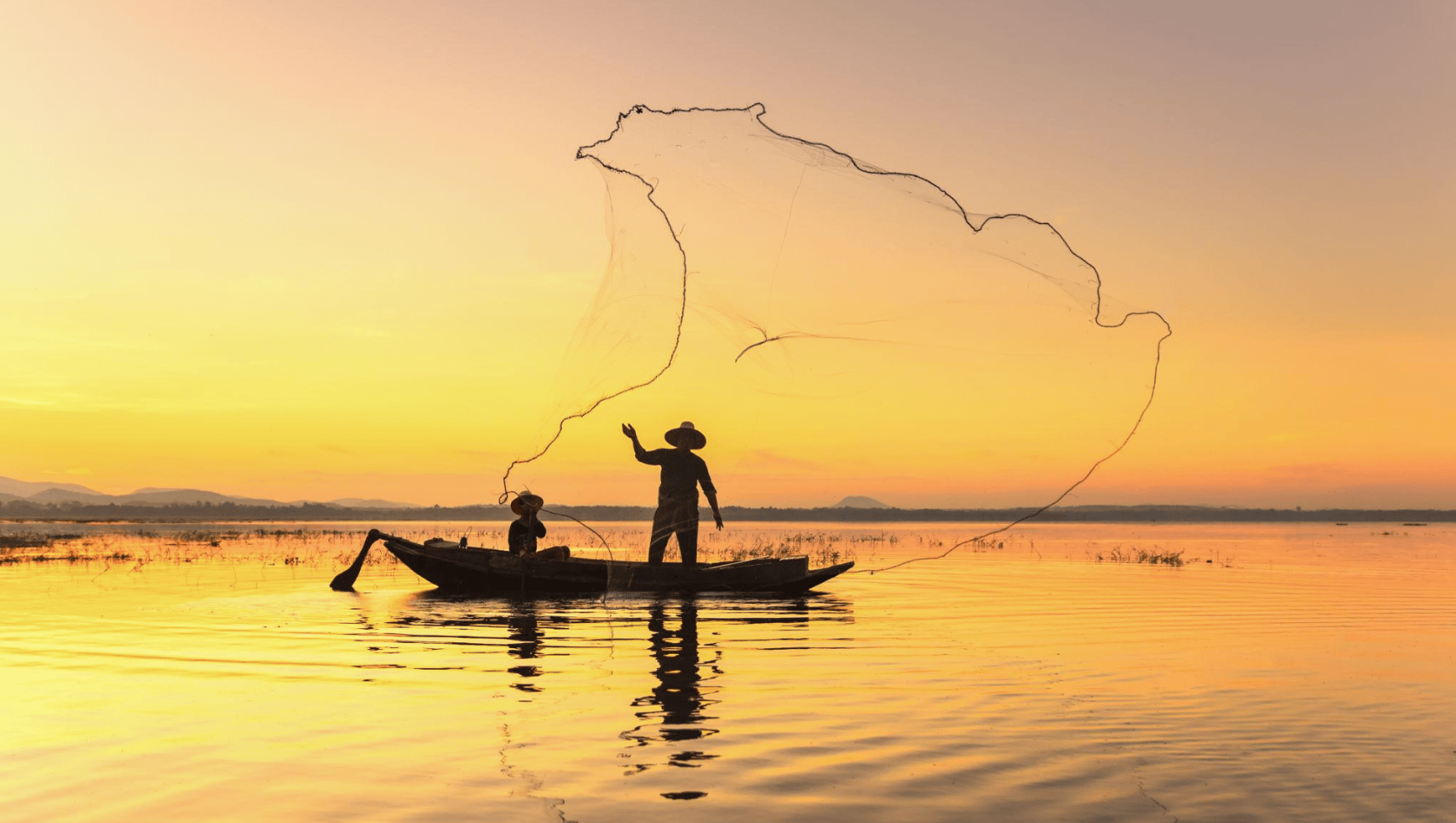
Oceans are essential to life on Earth. They support marine biodiversity, sustain coastal communities, and provide nutritious food for billions of people. However, climate change, overfishing, pollution, and increasing demand for seafood are placing growing pressure on marine ecosystems. Protecting ocean health is essential for maintaining a reliable and sustainable global food supply.
The Importance of Aquatic Foods
Fish, shellfish, and other aquatic foods provide high-quality protein and essential nutrients, including omega-3 fatty acids, iron, zinc, iodine, and vitamins. For many coastal communities and island nations, seafood is an important part of daily diets and a valuable source of income.
The Food and Agriculture Organization of the United Nations highlights the important role of fisheries and aquaculture in global food systems. However, increased seafood production does not automatically make nutritious food affordable or accessible to everyone. Ensuring fair access to aquatic foods remains a major challenge, especially for communities that depend on local fisheries.
Climate Change and Marine Ecosystems
Rising ocean temperatures, increasing acidity, and declining oxygen levels are changing marine habitats and affecting fish populations. These environmental changes can influence the growth, reproduction, and distribution of marine species.
Marine heatwaves can disrupt food webs and reduce food availability for fish and other marine organisms. As fish populations move toward more suitable environmental conditions, fishing communities may experience changes in catches and income.
Monitoring these changes and adapting fisheries management practices can help reduce risks and strengthen the resilience of marine food systems.
Seafood Trade and Local Food Security
International seafood trade generates income for fishing communities and connects producers with consumers around the world. However, strong export demand can sometimes make locally caught seafood less affordable for people living in coastal areas.
When nutritious fish is sold mainly to distant markets, local households may have fewer opportunities to benefit from nearby marine resources. This makes it important to balance international trade with local nutritional needs.
Policies that encourage affordable seafood, responsible trade, and sustainable small-scale fisheries can help ensure that coastal communities benefit from the resources available in their surrounding waters.
Seafood Safety and Public Health
Food security depends not only on the availability of food but also on its safety. Harmful algal blooms can produce toxins that accumulate in shellfish and certain fish species, creating health risks for consumers.
Environmental changes may influence the frequency and distribution of these blooms. Effective monitoring, laboratory testing, and timely public warnings are therefore essential for protecting public health.
Reliable seafood safety systems also help maintain consumer confidence and reduce the economic impact of temporary fishing and harvesting restrictions.
Sustainable Aquaculture and Wild Fisheries
Aquaculture, which involves farming aquatic organisms, can help meet the growing demand for seafood. When responsibly managed, it can contribute to food supplies, employment, and economic development.
However, aquaculture and wild fisheries are closely connected. Some aquaculture systems rely on wild fish for feed, while poorly managed operations may contribute to pollution, disease transmission, and habitat damage.
Integrating aquaculture planning with marine conservation and fisheries management can help reduce these risks. Improving feed efficiency, protecting water quality, and adopting responsible farming practices are important steps toward sustainable seafood production.
Biodiversity and Responsible Fisheries Management
Marine biodiversity supports the stability and productivity of ocean ecosystems. Diverse habitats and healthy species populations help maintain ecological balance and improve the ability of marine environments to respond to changing conditions.
Science-based fisheries management can protect these benefits through appropriate catch limits, selective fishing gear, habitat protection, and regular assessments of fish populations.
Governments, researchers, fishing communities, and seafood businesses all have a role in protecting marine resources. Cooperation among these groups can encourage responsible harvesting while supporting the livelihoods of people who depend on the ocean.
Building a Sustainable Future for Our Oceans
Healthy oceans are fundamental to global food security, public health, and economic well-being. However, their ability to support future generations depends on how marine resources are managed today.
Addressing climate-related pressures, improving seafood safety, supporting local access to nutritious fish, and promoting sustainable aquaculture are important parts of the solution.
Protecting ocean biodiversity is not only an environmental responsibility but also an investment in a more resilient food system. Through science-based policies, responsible consumption, and international cooperation, we can help ensure that oceans continue to provide nutritious food and sustain communities for generations to come.