A Fast and Powerful Ocean Swimmer
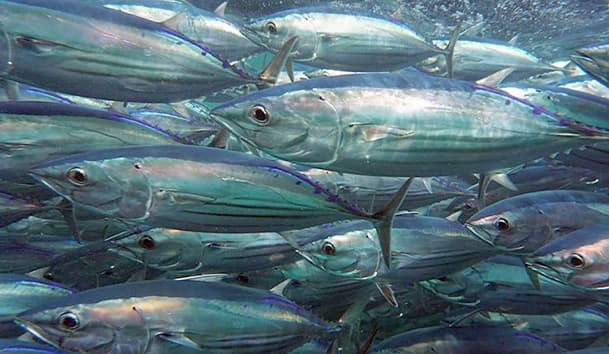
Skipjack tuna have a streamlined, torpedo-shaped body designed for speed and endurance. They are highly active swimmers and can travel long distances through tropical and subtropical waters in search of food.
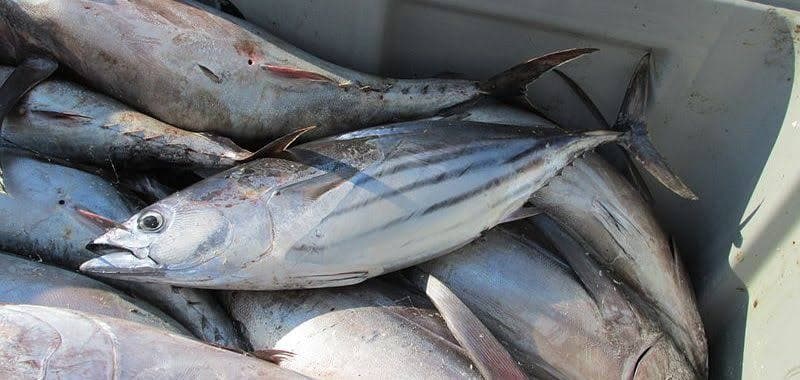
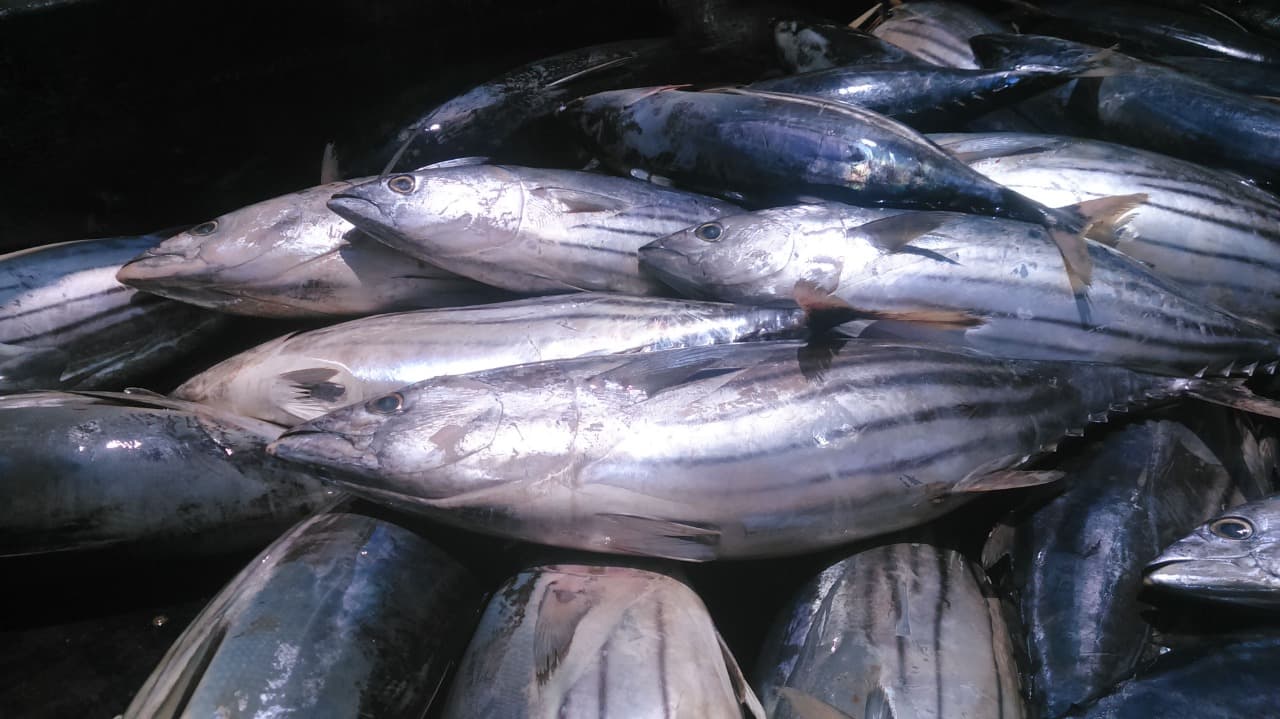
Their bodies are generally dark blue or purplish on the upper side and silvery underneath, with several distinctive dark stripes along their lower sides. Skipjack are smaller than many other tuna species, but they are powerful predators that often hunt in large schools.
Their diet consists mainly of small fish, squid, and crustaceans. By feeding on these organisms, skipjack tuna contribute to the natural balance of marine food webs.
Life in the Open Ocean
Skipjack tuna are strongly influenced by ocean conditions. Water temperature, currents, food availability, and seasonal changes can all affect where they are found.
They often gather in areas where food is abundant, sometimes forming large schools alongside other tuna species. Their constant movement allows them to follow changing ocean conditions and food sources.
Because their lives are closely connected to ocean productivity, changes in marine environments can influence skipjack distribution, abundance, and fisheries.
Why Skipjack Tuna Matter
Skipjack tuna are important both ecologically and economically.
Ecologically, they are mid-level predators that connect different parts of the marine food web. They consume smaller organisms while also becoming prey for larger marine predators.
Economically, skipjack tuna support fisheries and coastal economies across many tropical regions. In Indonesia, cakalang is an important fishery commodity and a familiar part of local food culture.
Behind every catch are people whose livelihoods may depend on healthy fish populations and productive oceans—from fishers and processors to traders and coastal businesses.
The Challenge of Sustainable Fisheries
Although skipjack tuna are relatively productive compared with some larger tuna species, their populations still depend on responsible fisheries management.
Overfishing, changes in ocean conditions, habitat degradation, and unintended impacts on other marine species can create challenges for sustainable fisheries.
Sustainable fishing practices aim to maintain healthy fish populations while reducing unnecessary impacts on marine ecosystems. This requires science-based management, responsible fishing practices, effective monitoring, and cooperation between governments, fisheries, scientists, communities, and consumers.
What Can We Do?
Protecting skipjack tuna starts with protecting the ocean ecosystems they depend on.
Consumers can become more aware of where their seafood comes from and support responsibly sourced fisheries whenever possible. Communities, researchers, governments, and the fishing industry can work together to improve fisheries management, strengthen monitoring, and protect marine ecosystems.
Understanding the species we eat is also an important step. When we learn where skipjack tuna live, what they eat, and why they matter, we begin to see that seafood is connected to a much bigger story about ocean health.
One Fish, A Bigger Ocean Story
Skipjack tuna may appear to be just another fish on our plate, but its story reaches far beyond the dinner table.
It connects marine biodiversity, ocean health, sustainable fisheries, food security, and coastal livelihoods.
Protecting skipjack tuna is therefore not simply about protecting one species. It is about maintaining the healthy and productive ocean systems that support both marine life and people.
When we understand the fish, we begin to understand the ocean.